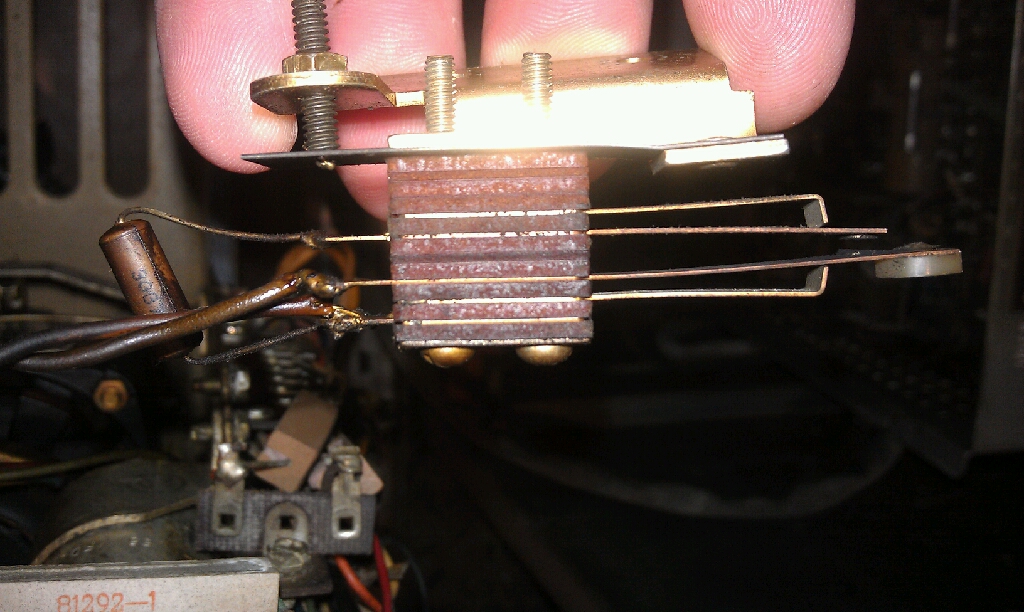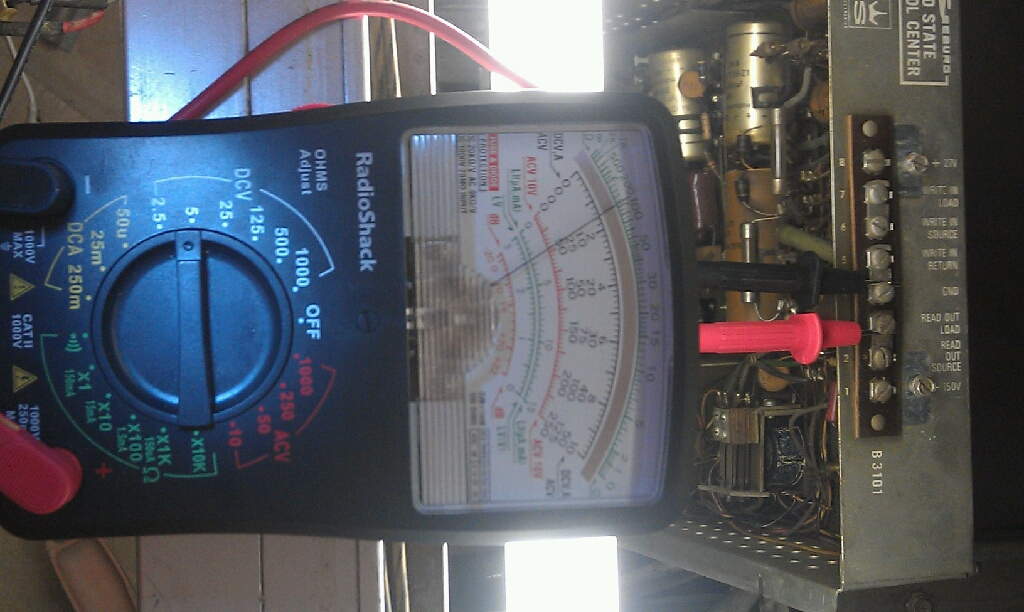
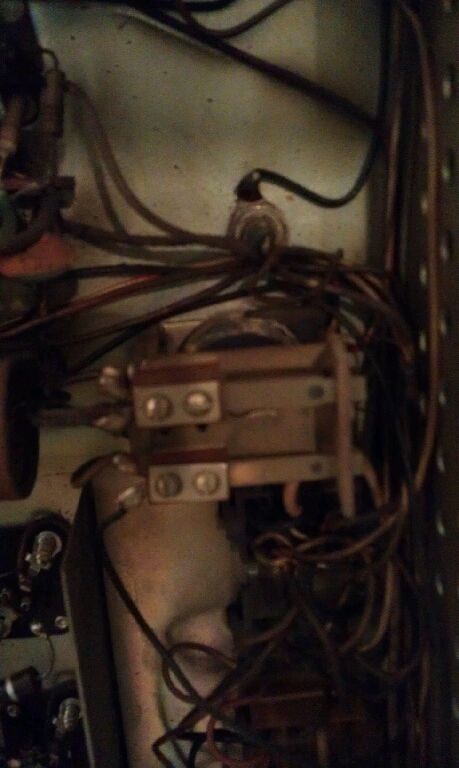
- IMAG0432.jpg (289.06 KiB) Viewed 1921 times
Hello,
I am beginning work on my childhood ls1, can't wait to get it up and running. I have just purchased the service manual and awaiting arrival, min of july 7.....but would like to reach out for help in the meantime on this pressing problem. I am electronically inclined, while not a jukebox service technician I know my way around electronics.
I've poured over all ls1 posts on this site and learned quite a bit about this machine already, but not my prob/solution. Here's the problem when a selection is made, after pressing the second selection button the buttons stay in ( which they shouldnt) and no response. When operating normally after pressing the second button they should pop out and trigger the carraige to scan to selection and loading of record.
Now the carriage will scan when the service switch is toggled along with the play/scan lever. Inside scc7, if I activate the module shown in the attached picture the carraige will pickup whatever record it is current in front of and play fine. I lnow this is dangerous and wrong however it tells me that the issue is between the selection and sending of the signal, and that carriage is not the issue.
Any help would be appreciated, apologizes for not having the correct part names at this point as I am awaiting the manual.
Regards,
Joe