Servicing the HMV 101

Q&A about Talking Machines from the pre-electronic era (approx. 1885-1928).


Topic author
muffinass
Junior Member
Posts: 9
Joined: Wed Mar 28, 2012 6:02 am
Location: Toronto, Canada

Servicing the HMV 101

by muffinass » Sun Apr 01, 2012 8:06 am

Hi everyone,

I posted this on other gramophone forums to no success, so I'm trying out my luck here as well.

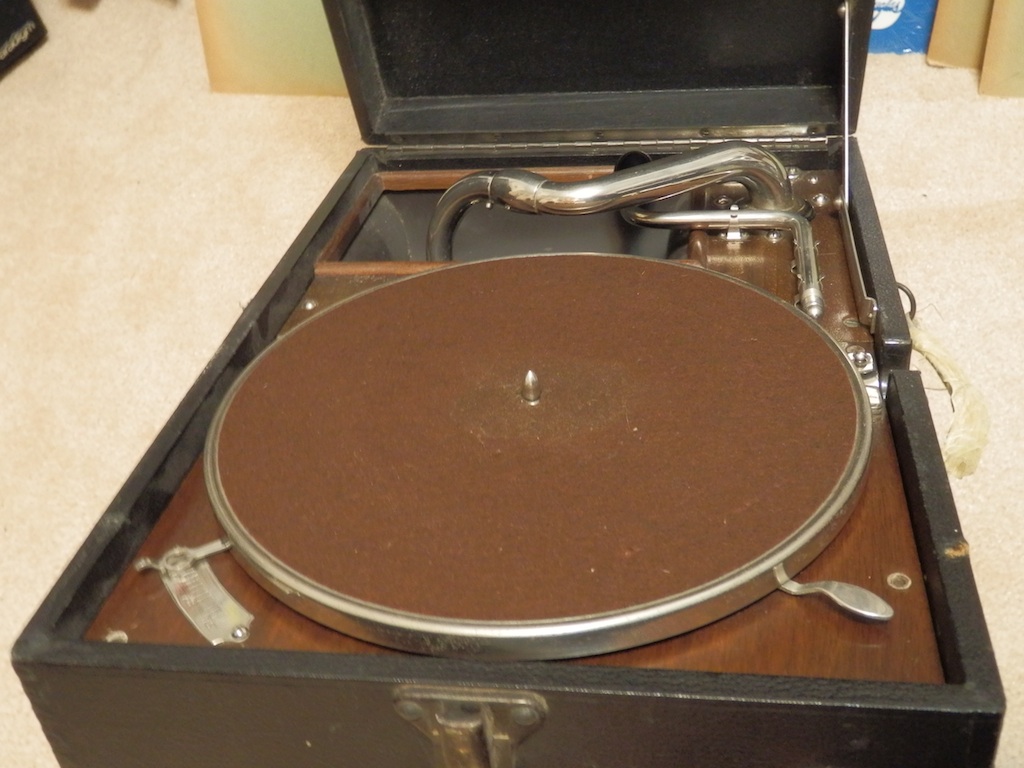
I just got my hands on this beauty for $75 CAD - I might have paid a bit too much, but am unsure as of yet (need to try it with proper needles).

Short of waiting for the needles to arrive and doing a couple of tests then, what can I do to clean it/perform a little 'maintenance' on it?

How many 'winds' does the motor need for playback? Is there a way to see about the condition of the motor itself without playing a record?

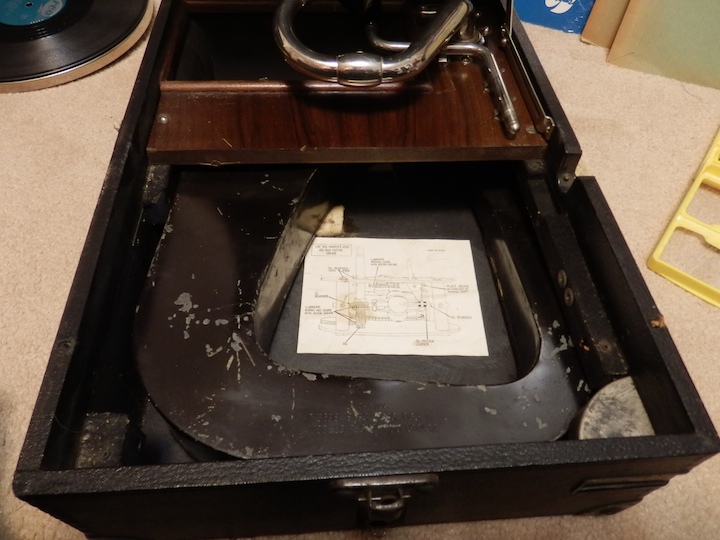
I saw the instructions pointing out the areas that need to be oiled and greased - what kind of oil do I have to use?

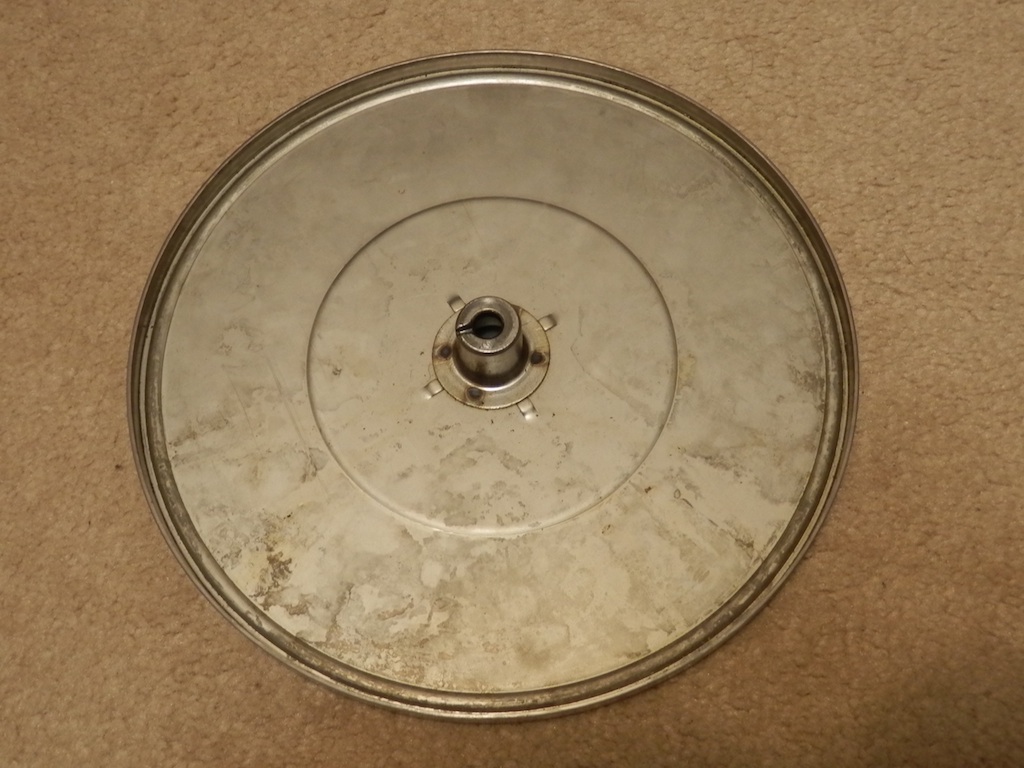
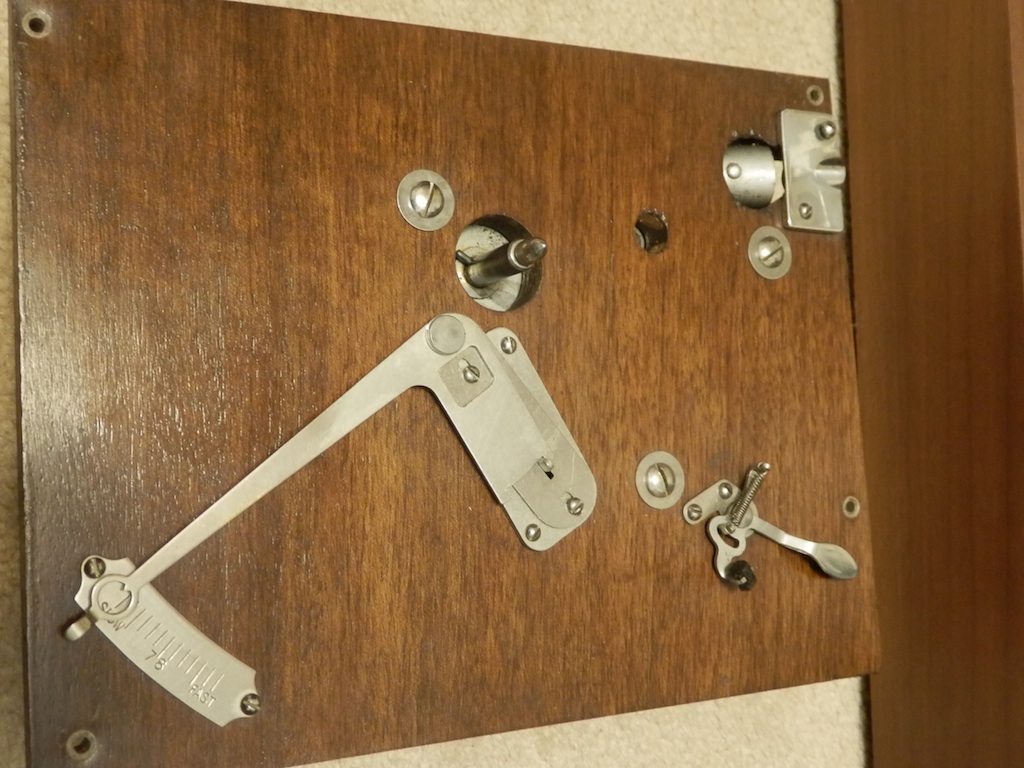
Judging from the pictures posted, what parts need to be cleaned off of grease?

I'd like to give the entire thing a thorough cleaning - what products do you use to clean the wood, tone-arm and outer case?

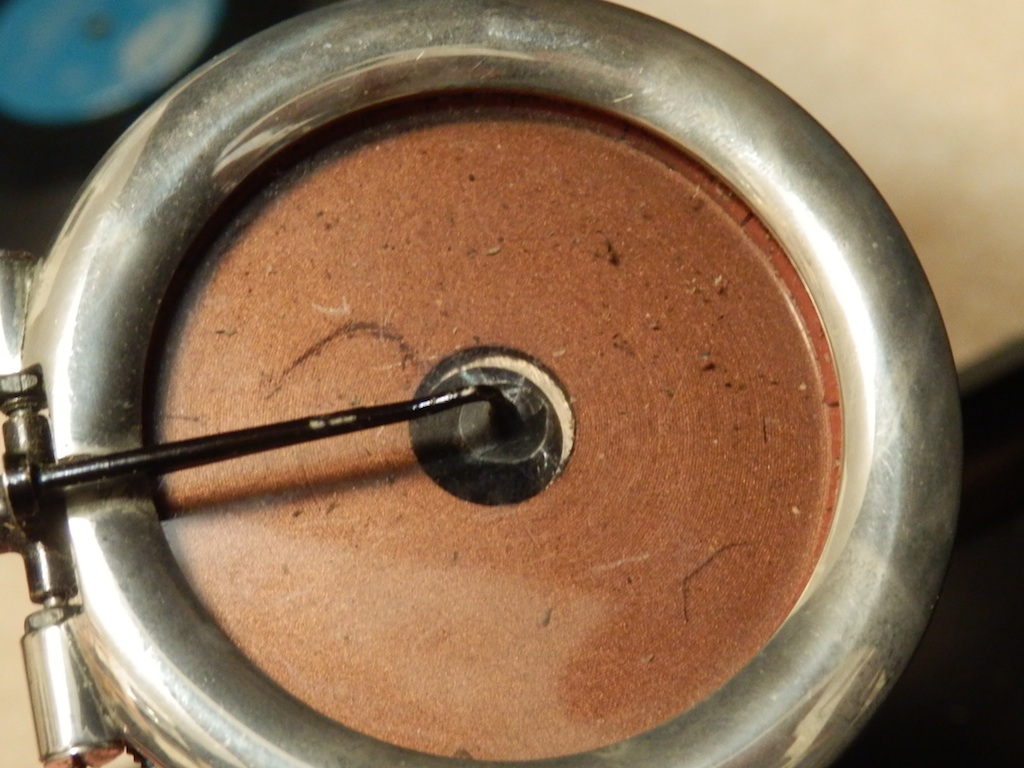
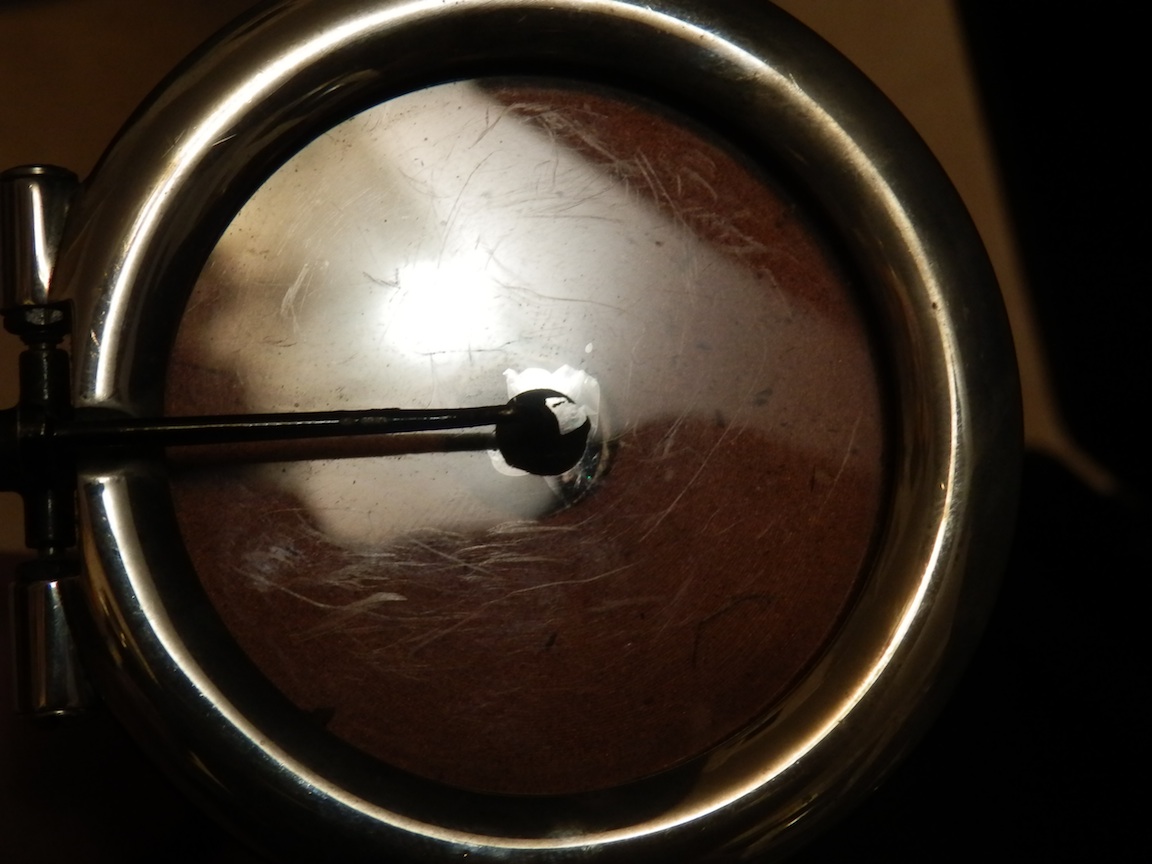
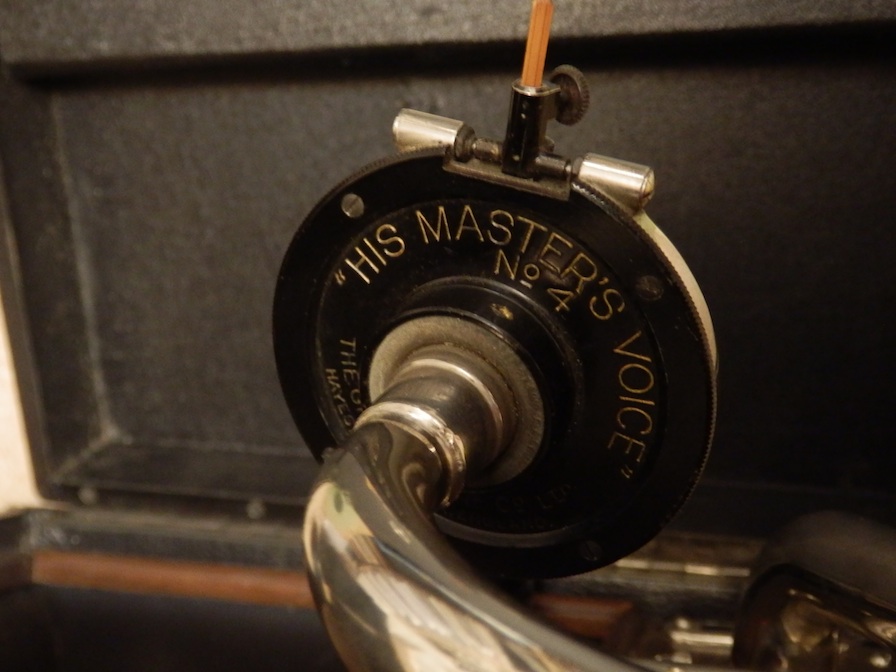
The reproducer's needle extension looks like it has a piece missing where it connects with the diaphragm (is that a right description?). Would that affect the playback?
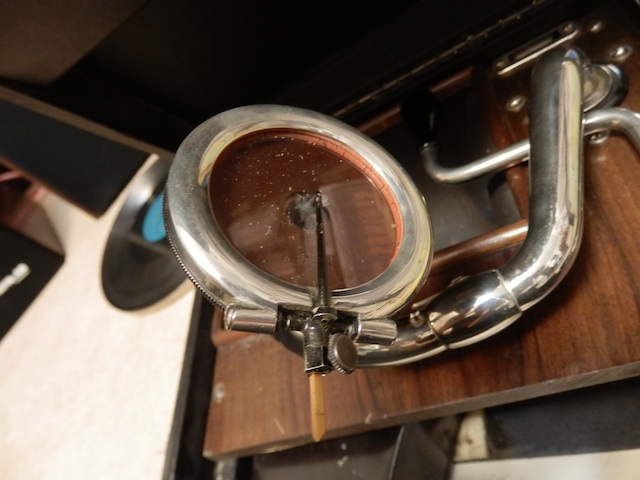
Also, I've read on this forum several posts about the pot-metal vs. brass No.4 reproducers. Which one do I have?

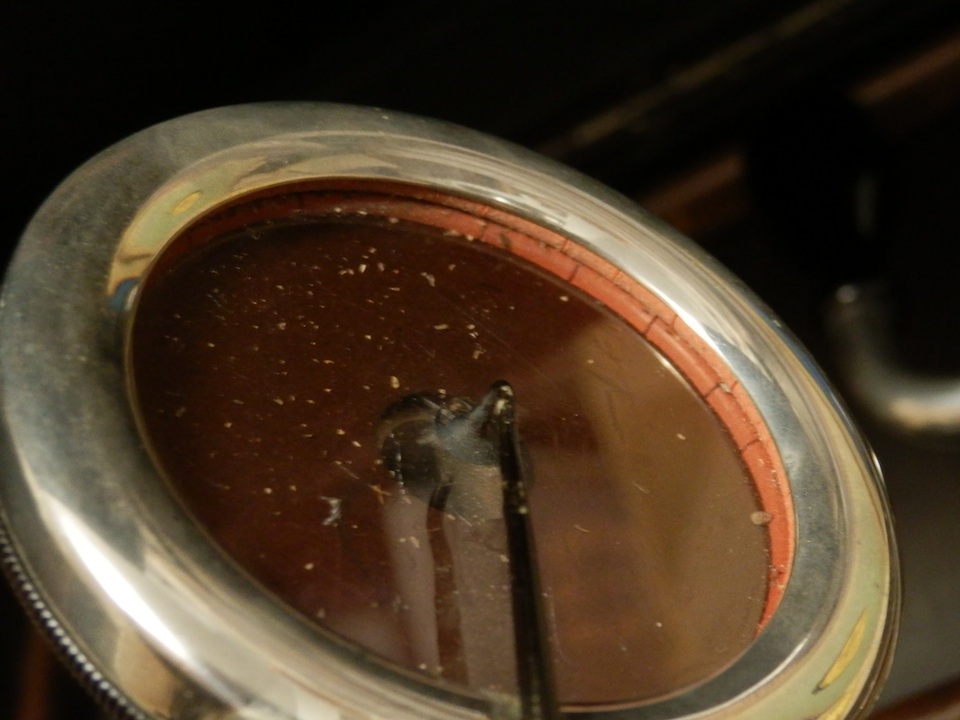
If it's the brass one, can I change the dried and cracked gaskets myself? (my abilities run the gamut of "take it apart and put it back")

Thanks in advance for the help! I'm really excited to begin work on this 101 and hopefully start expanding my knowledge and inventory :)
Attachments
reproducer_3.jpg
reproducer_3.jpg (223.96 KiB) Viewed 2187 times
reproducer_2.jpg
reproducer_2.jpg (187.39 KiB) Viewed 2187 times
reproducer.jpg
reproducer.jpg (140.54 KiB) Viewed 2187 times
tone_arm_repro.jpg
tone_arm_repro.jpg (82.73 KiB) Viewed 2187 times
reproducer_back.jpg
reproducer_back.jpg (131.44 KiB) Viewed 2187 times
front_horn.jpg
front_horn.jpg (143.49 KiB) Viewed 2187 times
platter.jpg
platter.jpg (212.28 KiB) Viewed 2187 times
board.jpg
board.jpg (240.51 KiB) Viewed 2187 times
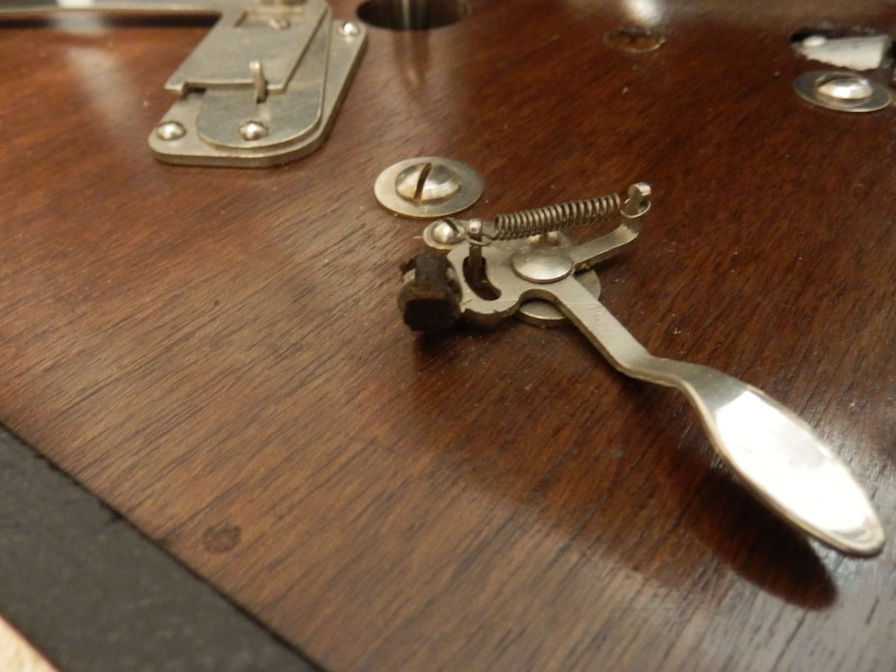
manual_brake.jpg
manual_brake.jpg (164.05 KiB) Viewed 2187 times
hmv101.jpg
hmv101.jpg (195.42 KiB) Viewed 2187 times


Topic author
muffinass
Junior Member
Posts: 9
Joined: Wed Mar 28, 2012 6:02 am
Location: Toronto, Canada

Re: Servicing the HMV 101

by muffinass » Sun Apr 01, 2012 8:09 am

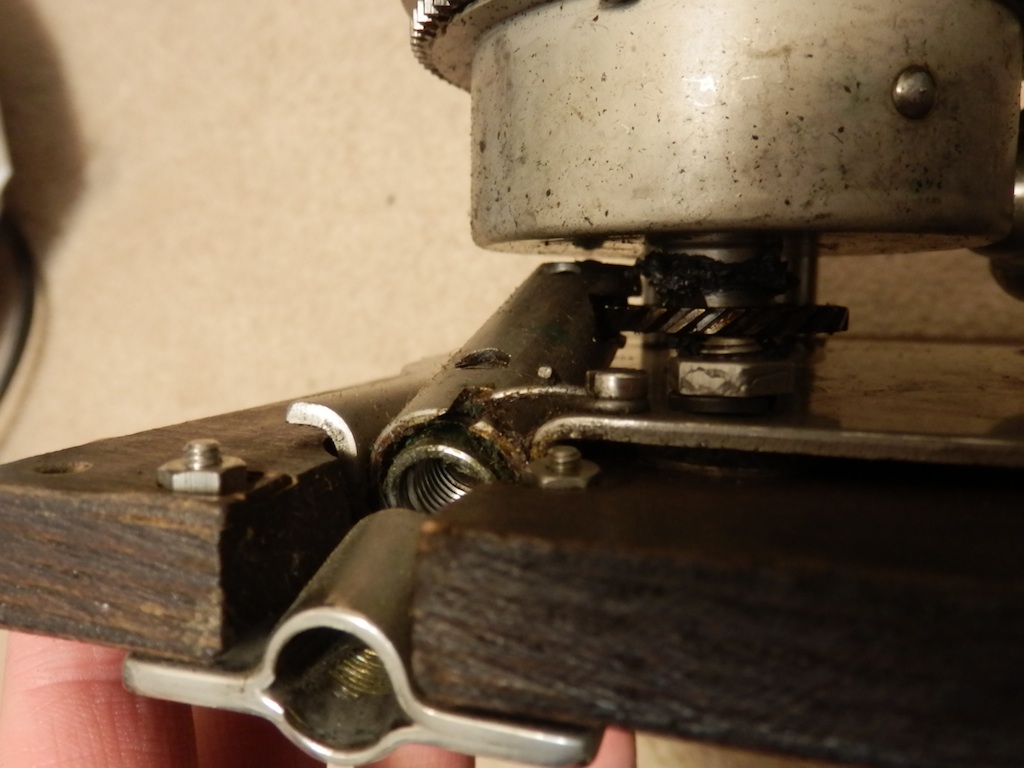
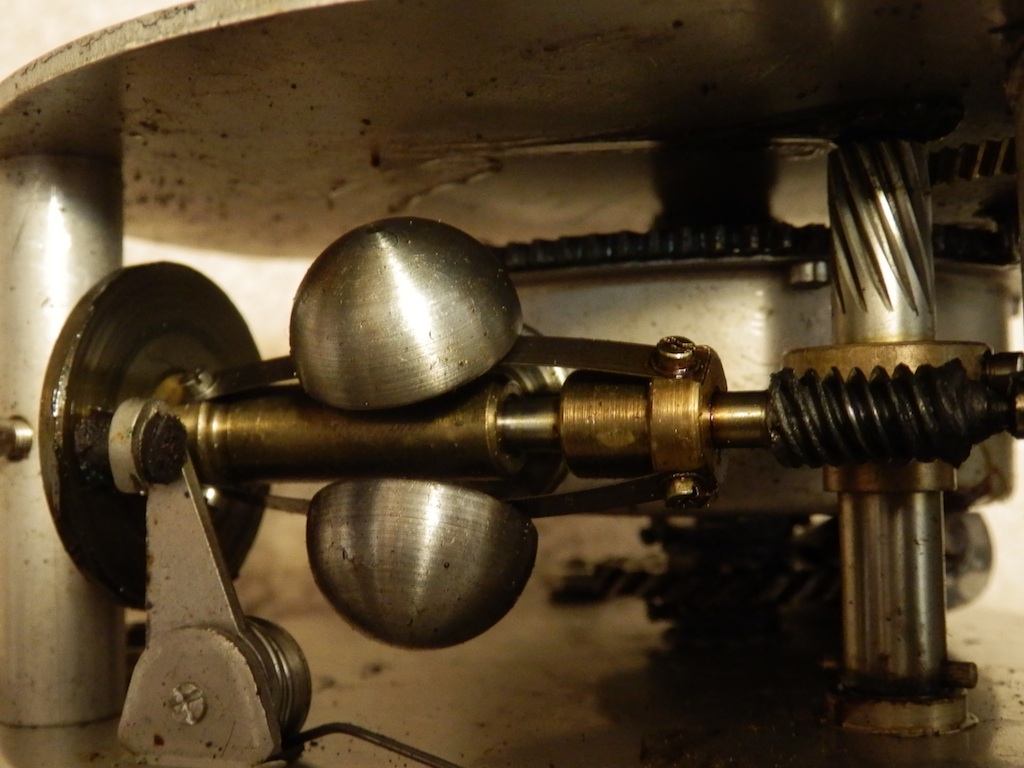
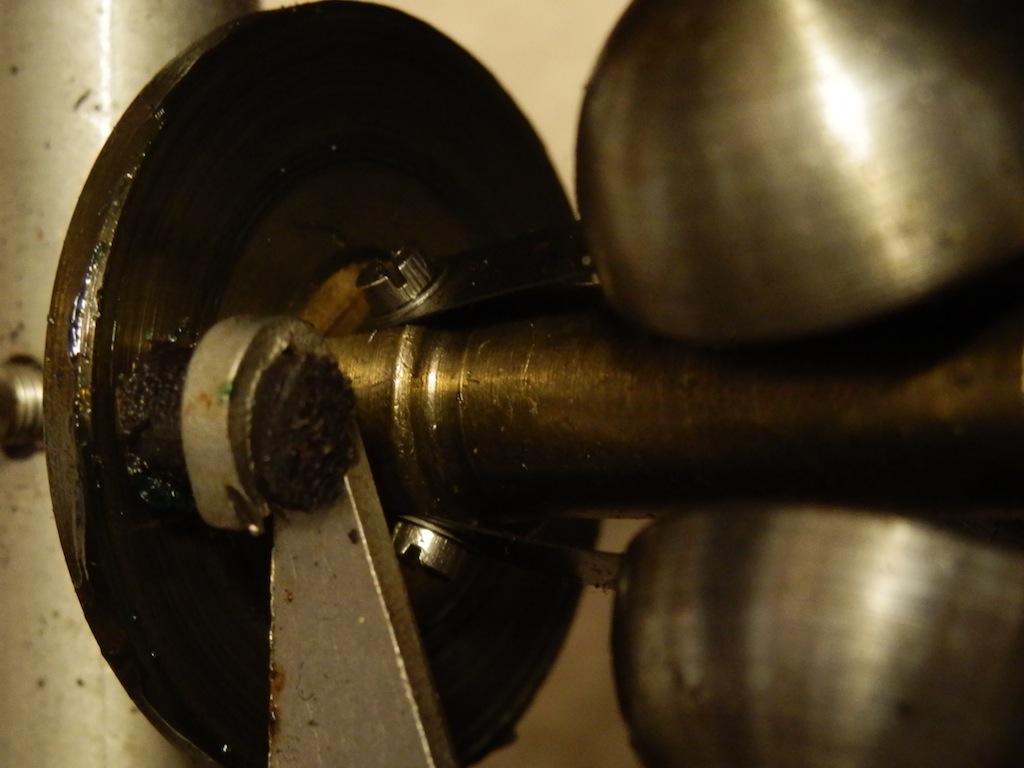
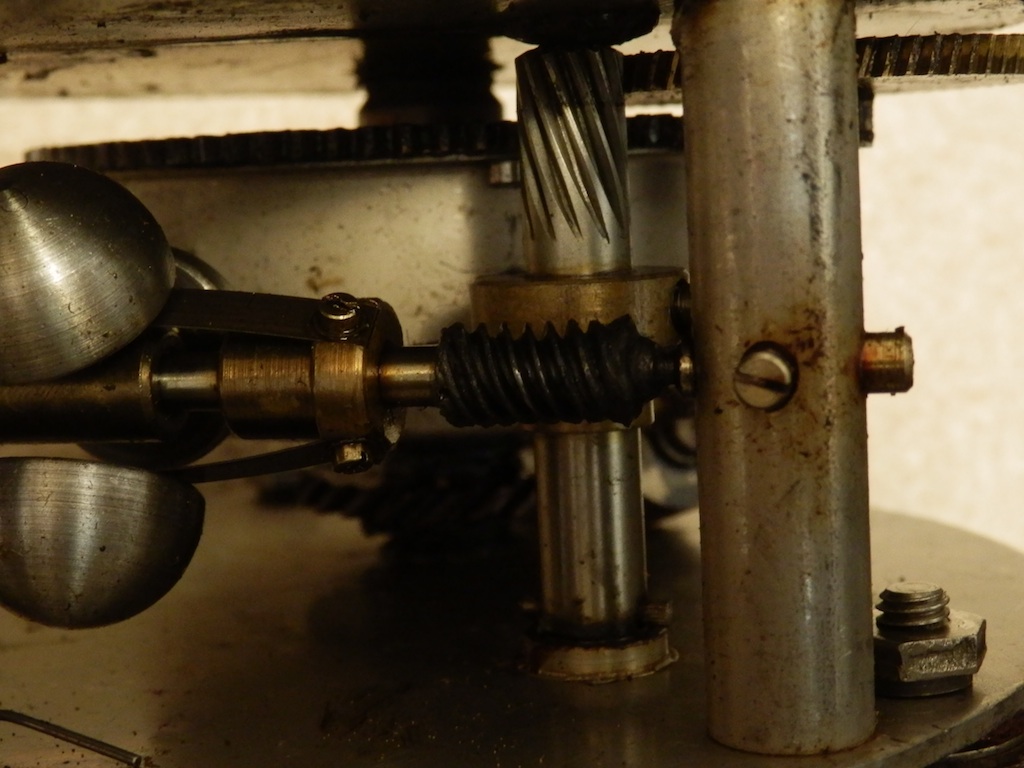
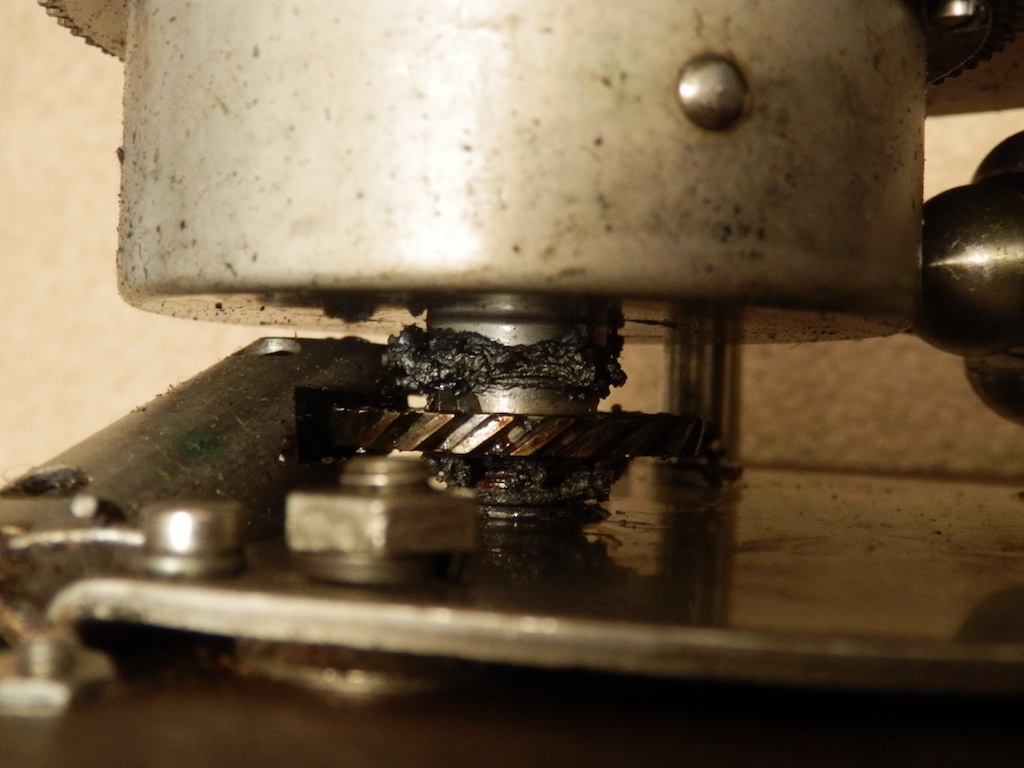
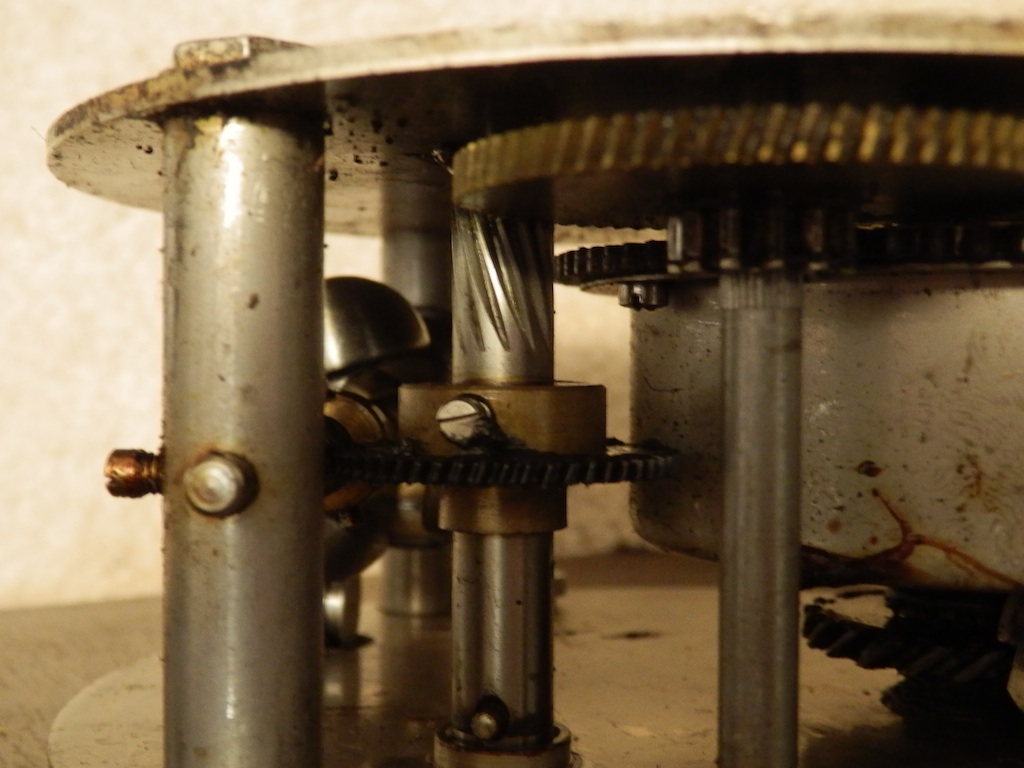
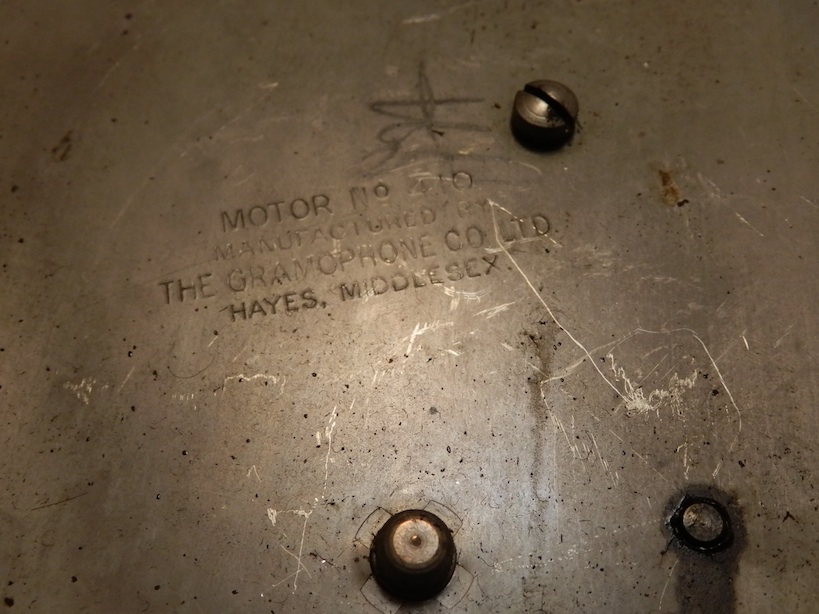
...and pictures of the motor
Attachments
crank.jpg
crank.jpg (159.29 KiB) Viewed 2186 times
motor_1.jpg
motor_1.jpg (187.9 KiB) Viewed 2186 times
motor_2.jpg
motor_2.jpg (134.58 KiB) Viewed 2186 times
motor_3.jpg
motor_3.jpg (178.05 KiB) Viewed 2186 times
motor_4.jpg
motor_4.jpg (169.89 KiB) Viewed 2186 times
motor_5.jpg
motor_5.jpg (167.21 KiB) Viewed 2186 times
motor_bottom.jpg
motor_bottom.jpg (150.09 KiB) Viewed 2186 times


Joe_DS
Forum Moderator
Posts: 1056
Joined: Thu Jun 08, 2006 4:23 pm
Location: San Francisco, California, USA

Re: Servicing the HMV 101

by Joe_DS » Sun Apr 01, 2012 5:08 pm

Everything looks to be in pretty good condition, but if this is as found, I'd recommend that you thoroughly clean the motor, and re-grease the mainspring if possible.

These types of motors are relatively easy to tear down and reassemble, but if you've never done this before, get yourself a copy of "The Compleat Talking Machine," by Eric Reiss. (That's the way "complete" is spelled in the title, by the way.) The book is available from most well stocked sellers, such as Amazon.com, or can be special ordered. It walks you through most repairs and service issues--including what types of cleaners and lubricants to use--with step by step instructions and illustrations. It is a must-have for the do-it-yourselfer.

As for the sound box, the gaskets are hardened and cracked and should definitely be replaced, as should the mica diaphragm which is separating in the center, where the needle bar's foot is attached. That will adversely impact the sound quality. Parts are available from a number of sellers, which you can find doing a web search for "Gramophone repair" or "Victrola repair." Again, "The Compleat Talking Machine" has a section on sound box and reproducer repair.

HTH,
JDS


Topic author
muffinass
Junior Member
Posts: 9
Joined: Wed Mar 28, 2012 6:02 am
Location: Toronto, Canada

Re: Servicing the HMV 101

by muffinass » Sun Apr 01, 2012 5:35 pm

Joe_DS wrote:Everything looks to be in pretty good condition, but if this is as found, I'd recommend that you thoroughly clean the motor, and re-grease the mainspring if possible.

These types of motors are relatively easy to tear down and reassemble, but if you've never done this before, get yourself a copy of "The Compleat Talking Machine," by Eric Reiss. (That's the way "complete" is spelled in the title, by the way.) The book is available from most well stocked sellers, such as Amazon.com, or can be special ordered. It walks you through most repairs and service issues--including what types of cleaners and lubricants to use--with step by step instructions and illustrations. It is a must-have for the do-it-yourselfer.

As for the sound box, the gaskets are hardened and cracked and should definitely be replaced, as should the mica diaphragm which is separating in the center, where the needle bar's foot is attached. That will adversely impact the sound quality. Parts are available from a number of sellers, which you can find doing a web search for "Gramophone repair" or "Victrola repair." Again, "The Compleat Talking Machine" has a section on sound box and reproducer repair.

HTH,
JDS


The HMV did play when I picked it up. However when I got back home either the needles were too worn, or the motor's started to give in, but the platter would stop and not be able to take the weight of the tonearm.

I'm waiting on steel needles to get delivered so I can test them out and see whether the fault lies with the playback or the motor.

How many "winds" should I give before playing a record? Is it best that I let the platter spin freely until it stops on its own, THEN wind (to the instructed number)?

Thanks for the tip on Reiss' book - I'll place an order for it right away.


Joe_DS
Forum Moderator
Posts: 1056
Joined: Thu Jun 08, 2006 4:23 pm
Location: San Francisco, California, USA

Re: Servicing the HMV 101

by Joe_DS » Sun Apr 01, 2012 9:34 pm

I've never owned a 101, but the motor is similar to the single spring type installed in my HMV 102, which I sold a few years ago. You should be able to give it about 25-30 turns of the crank, though it's best to stop winding when you feel tension build up. A full winding, something you probably shouldn't do until you verify that the grease in the springs is soft and pliable, will allow it to play for about six or more minutes--enough to play a couple of 10-in 78s or a single 12" 78. Keep in mind, you can wind it while the record is playing, in the event it begins to slow down.

A frozen sound box will cause a turntable to slow down while playing a record (and wear out the record very quickly), as will a worn needle or a motor in need of cleaning and lubrication. Also, it's best to play 78s that were recorded before about 1935-1940 with this type of gramophone.

Again, I think the sound box should be overhauled as soon as possible before playing too many records. In addition to all of the points I mentioned above, a restored sound box GREATLY enhances the sound quality of this machine, which was designed to sound more like a small electric gramophone than an acoustic one. (There are a number of youtube videos feature the "HMV 101" gramophone that you can check out.)

HTH,
JDS


Topic author
muffinass
Junior Member
Posts: 9
Joined: Wed Mar 28, 2012 6:02 am
Location: Toronto, Canada

Re: Servicing the HMV 101

by muffinass » Sun Apr 01, 2012 9:50 pm

Joe_DS wrote:I've never owned a 101, but the motor is similar to the single spring type installed in my HMV 102, which I sold a few years ago. You should be able to give it about 25-30 turns of the crank, though it's best to stop winding when you feel tension build up. A full winding, something you probably shouldn't do until you verify that the grease in the springs is soft and pliable, will allow it to play for about six or more minutes--enough to play a couple of 10-in 78s or a single 12" 78. Keep in mind, you can wind it while the record is playing, in the event it begins to slow down.

A frozen sound box will cause a turntable to slow down while playing a record (and wear out the record very quickly), as will a worn needle or a motor in need of cleaning and lubrication. Also, it's best to play 78s that were recorded before about 1935-1940 with this type of gramophone.

Again, I think the sound box should be overhauled as soon as possible before playing too many records. In addition to all of the points I mentioned above, a restored sound box GREATLY enhances the sound quality of this machine, which was designed to sound more like a small electric gramophone than an acoustic one. (There are a number of youtube videos feature the "HMV 101" gramophone that you can check out.)

HTH,
JDS


Excellent info - thanks! I'll refrain from pushing the motor too much, considering I've yet to inspect its condition. However, if the platter slows down under the pressure of the tonearm, would this mean that the motor is dying?

Lastly, can you tell if the reproducer is pot-metal or brass?

Thanks!


Joe_DS
Forum Moderator
Posts: 1056
Joined: Thu Jun 08, 2006 4:23 pm
Location: San Francisco, California, USA

Re: Servicing the HMV 101

by Joe_DS » Mon Apr 02, 2012 8:08 pm

muffinass wrote:Excellent info - thanks! I'll refrain from pushing the motor too much, considering I've yet to inspect its condition. However, if the platter slows down under the pressure of the tonearm, would this mean that the motor is dying?

Lastly, can you tell if the reproducer is pot-metal or brass?

Thanks!


The motor isn't necessarily dying. As noted, a number of issues can cause it to slow down. Probably a good cleaning and lubrication are all that are needed.

As for the sound box, it looks like it might be brass to me since the back flange gasket does not extend beyond the throat, as noted in the post from another forum -- http://forum.talkingmachine.info/viewto ... d592e23e91 Certainly there's no swelling or cracking that I can see.

JDS

Who is online

Users browsing this forum: No registered users and 1 guest

It is currently Thu Oct 06, 2016 9:52 am