
Silvertone phonograph master barely no noise coming out ?
Q&A about Talking Machines from the pre-electronic era (approx. 1885-1928).
-
omarsx2013
Topic author - Regular Member
- Posts: 28
- Joined: Wed Nov 06, 2013 2:42 am
- Location: Leduc Alberta Canada
Yeah also the guy who I'm getting it off of said he put new gaskets inside so it has a nice factory sound to it he also to told me that if I use soft tone needles on the soundbox I'm getting they mild up better but he also said that they were designed to be played in a more lighter diaphragm like the featherweight reproducer for electrics I'll let you know how the restoration goes I'm probably not going to get everything until mid February sometime but yeah hopefully all will work out for this machine in the end thanks joe.
-
omarsx2013
Topic author - Regular Member
- Posts: 28
- Joined: Wed Nov 06, 2013 2:42 am
- Location: Leduc Alberta Canada
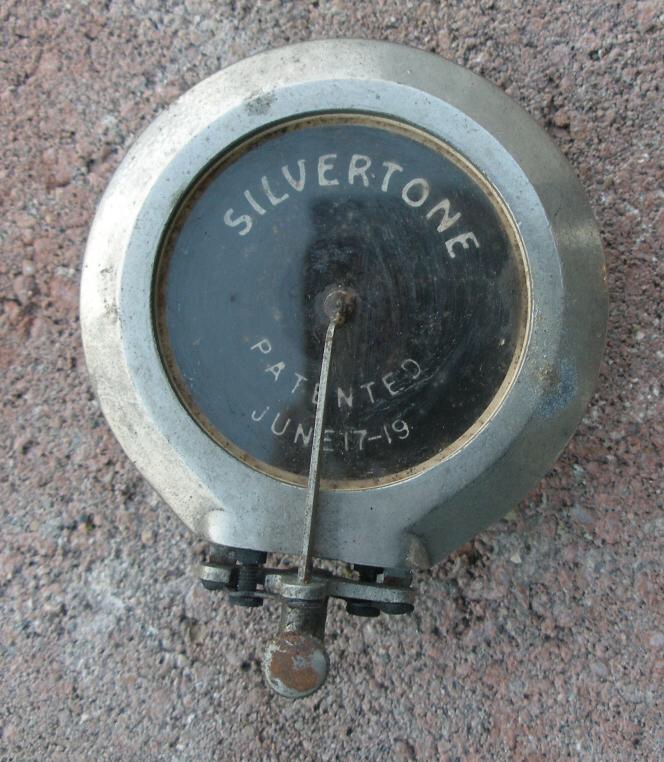
This is the other one which I don't think looks like from another model like a cabinet model made by Sears in the 20s. once again this guy told me he wanted about $110.00 for everything and he said he does not even have the orignal tone arm either which he said it should fit lol not trusting those words. haha yeah but anyway here is a pic of what he sent me I can't belive this is what he said what was orignal lol can't belive it lol .
- Attachments
-
- image.jpg (164.81 KiB) Viewed 1575 times
-
omarsx2013
Topic author - Regular Member
- Posts: 28
- Joined: Wed Nov 06, 2013 2:42 am
- Location: Leduc Alberta Canada
Yeah defiantly going for the generic one looks a lot better and more authentic looking for more the price comes better stuff that's for sure lol yeah the other soundbox looks a lot better plus i can play my rock and roll 78s on the soft tone more better than putting up with the acoustic soundbox yep all in all I did think I made a good purchase from this machine I hope I can preserve it for the next generation to come in the future thanks joe
-
Joe_DS
- Forum Moderator
- Posts: 1056
- Joined: Thu Jun 08, 2006 4:23 pm
- Location: San Francisco, California, USA
If I were in your position, I'd also opt for the generic one. The Silvertone branded sound box you posted is definitely for a cabinet model, probably one from the 1923-1925 period. It's more stylized and simpler in construction than the earlier ones used, and is totally inadequate for later-production 78s, which had greatly extended range compared to the acoustic recordings, for which the sound box was originally designed.
The generic sound box looks to be from about the late 1930s, and should do okay.
By the way, since Sears didn't own it's own manufacturing facilities for any of the products it sold, technically, all components used in Silvertone phonographs were "generic." They were manufactured by third party suppliers for Sears. (The cabinets were too.) Some phonographs, such as the Sears "Tru-Phonic" portables, were sold under other brand names.
Here, by the way, is one of the deluxe Sears portables, from around 1932 -- https://www.youtube.com/watch?v=s4uU9sy8aqk
(Of course, it's playing some crappy record, with a worn needle from the sound of it. That, or just as likely, the sound box could stand a complete overhaul.)
Compared to others on the market, the Sears Deluxe models (some branded Tru-Phonic) were right up there. I don't know if you've seen it, but a few years ago Carsten Fischer, a well known Bay area phonograph enthusiast and restorer, created this page devoted to the best portables of the world -- http://myvintagetv.com/updatepages1/cha ... tables.htm Clicking on any of the images will take you to the page profiling the phonograph illustrated.
JDS
The generic sound box looks to be from about the late 1930s, and should do okay.
By the way, since Sears didn't own it's own manufacturing facilities for any of the products it sold, technically, all components used in Silvertone phonographs were "generic." They were manufactured by third party suppliers for Sears. (The cabinets were too.) Some phonographs, such as the Sears "Tru-Phonic" portables, were sold under other brand names.
Here, by the way, is one of the deluxe Sears portables, from around 1932 -- https://www.youtube.com/watch?v=s4uU9sy8aqk
(Of course, it's playing some crappy record, with a worn needle from the sound of it. That, or just as likely, the sound box could stand a complete overhaul.)
Compared to others on the market, the Sears Deluxe models (some branded Tru-Phonic) were right up there. I don't know if you've seen it, but a few years ago Carsten Fischer, a well known Bay area phonograph enthusiast and restorer, created this page devoted to the best portables of the world -- http://myvintagetv.com/updatepages1/cha ... tables.htm Clicking on any of the images will take you to the page profiling the phonograph illustrated.
JDS
-
omarsx2013
Topic author - Regular Member
- Posts: 28
- Joined: Wed Nov 06, 2013 2:42 am
- Location: Leduc Alberta Canada
Thanks man yeah I might just go for both now as I said probaly nit till mid February sometime but other than that thanks for your advice i think this model will do for my later rock and roll records thanks again joe
-
omarsx2013
Topic author - Regular Member
- Posts: 28
- Joined: Wed Nov 06, 2013 2:42 am
- Location: Leduc Alberta Canada
Hi joe i got the machine finally I fixed the reproducer I used pie plate matrieal and re inserted it back into where the broken diapram was does a some what better job plays good I tried playing my earth angel record on it the soundbox is loud and clear i took the motor out and it had 1 fiber gear allthough it looks like metal the motor is cast iron and runs some what good thanks again joe From Morgan Thompson
-
Joe_DS
- Forum Moderator
- Posts: 1056
- Joined: Thu Jun 08, 2006 4:23 pm
- Location: San Francisco, California, USA
Hi Morgan:
By pie plate material, I take it you mean the type of aluminum used in disposable pie plates? Yes, that does a pretty good job.
The original aluminum diaphragms had a stiffened center--Victor used a rigid spider in the center of the Orthophonic sound box, while others, such as Columbia, used thicker aluminum in the center. In the case of the Orthophonic diaphragm, the outer rim of the diaphragm was etched to allow maximum compliance; while for Columbia's Viva tonal diaphragm, the outer rim was of somewhat thinner material, or in some cases etched or used spiraling rings as in this photo --
The purpose was for the entire diaphragm to move in and out with the movement of the needle bar; sort of a piston action.
In contrast, a flat piece of aluminum of even thickness would probably function more like the earlier technology mica diaphragm, with the greatest amount of movement in the center, and less at the edges. This would reduce bass output, but because of the short tone chamber fitted into your model, it doesn't make much difference, since most of the sound you'd hear is probably in the upper mid-range.
Glad to hear you got it working.
Joe
By pie plate material, I take it you mean the type of aluminum used in disposable pie plates? Yes, that does a pretty good job.
The original aluminum diaphragms had a stiffened center--Victor used a rigid spider in the center of the Orthophonic sound box, while others, such as Columbia, used thicker aluminum in the center. In the case of the Orthophonic diaphragm, the outer rim of the diaphragm was etched to allow maximum compliance; while for Columbia's Viva tonal diaphragm, the outer rim was of somewhat thinner material, or in some cases etched or used spiraling rings as in this photo --
The purpose was for the entire diaphragm to move in and out with the movement of the needle bar; sort of a piston action.
In contrast, a flat piece of aluminum of even thickness would probably function more like the earlier technology mica diaphragm, with the greatest amount of movement in the center, and less at the edges. This would reduce bass output, but because of the short tone chamber fitted into your model, it doesn't make much difference, since most of the sound you'd hear is probably in the upper mid-range.
Glad to hear you got it working.
Joe
-
omarsx2013
Topic author - Regular Member
- Posts: 28
- Joined: Wed Nov 06, 2013 2:42 am
- Location: Leduc Alberta Canada
Yeah aluminum pie plate matrieal I used I thought of useing aluminum tinfoil but because of its lightness I thought to use more of a rigid materiel thanks again joe once I get the generic soundbox it will probably sound more better at least better than that toy one I got on it right one thanks again joe From Morgan Thompson
-
omarsx2013
Topic author - Regular Member
- Posts: 28
- Joined: Wed Nov 06, 2013 2:42 am
- Location: Leduc Alberta Canada
Well what do you know the reproducer broke off the tone arm cheap toy crap lol well that's it for the tone arm I'll just keep the reproducer to bad it sounded pretty good but the craftsmanship not really lol well can't play anything in her now but yeah lol that sure lasted long lol
Who is online
Users browsing this forum: No registered users and 0 guests
It is currently Thu Oct 06, 2016 9:41 am